The Complete Dog Care Guide: Health, Nutrition & Training
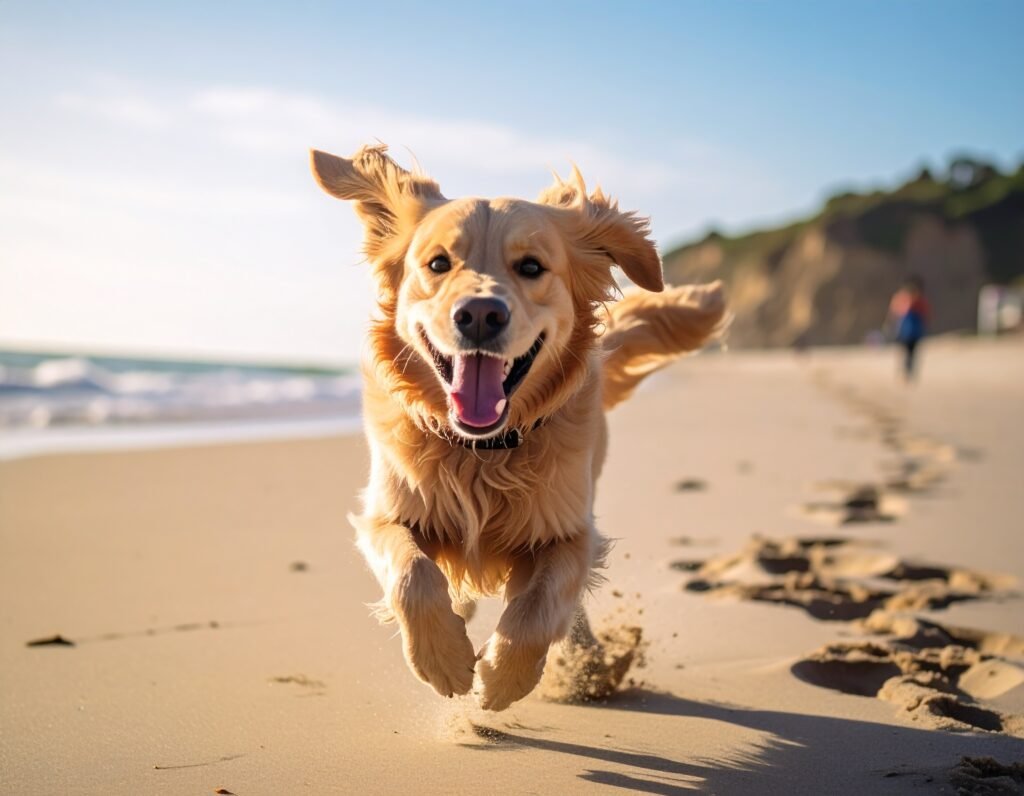
Welcoming a dog into your life is undoubtedly one of the most rewarding experiences. That unconditional love, the tail wag that greets you when you come home, and the priceless happiness brought by loyal companionship… However, this happiness also comes with great responsibility. Dog care is not just about meeting basic needs for shelter and food; it is a multi-faceted process requiring conscious effort to protect their mental, emotional, and physical well-being.
1. The Cornerstone of Health: Proper Nutrition
Nutrition is the most critical component of dog care.
Choosing Quality Food: The Importance of Reading Labels
Store shelves are filled with foods labeled “premium,” “holistic,” and “natural.” So, how do you choose the right one?
Ingredient List (The First Five Items): The first five ingredients in a food form its foundation. You must see a specific meat source (like chicken, lamb, or fish) as the first item on this list. If “meat by-products” or “grains” (corn, wheat) are listed first, reconsider that food.
Age, Breed, and Activity Level:
- Puppy: They need higher protein, fat, and a balanced calcium/phosphorus ratio for growth.
- Adult: A balanced formula is needed to maintain their ideal weight.
- Senior: They generally require fewer calories but need ingredients to support joint health (like glucosamine).
- Large Breed vs. Small Breed: Large breeds need formulas that support joint health, while small breeds need energy-dense food suitable for their fast metabolisms.
Grain vs. Grain-Free: This is one of the most popular debates in recent years. While some dogs may have sensitivities to grains, many dogs digest quality grains (like oats, barley, quinoa) without issue. The important thing is that the main protein source of the food is meat. Consult your veterinarian if you suspect an allergy.
Portion Control and Feeding Routine
Obesity is the number one cause of serious health problems in dogs, such as joint issues, diabetes, and heart disease. The feeding chart on the back of the food bag is just a starting point. You must adjust the portion based on your dog’s weight, activity level, and body condition.
- Routine is Good: Feeding your dog at the same times every day regulates their digestive system and aids in potty training. Two meals a day (morning and evening) is ideal for most adult dogs.
- Risks of Free-Feeding: Leaving food out in the bowl all day can lead to overeating and weight gain.
Dangerous Foods: What You Should Never Share
Even if your dog gives you those “innocent” eyes, some foods are toxic to them. Here is a list of the most dangerous ones:
- Chocolate
- Grapes and Raisins (Can cause kidney failure)
- Onions and Garlic
- Avocado
- Xylitol (Found in sugar-free gum and some peanut butters; extremely toxic)
- Alcohol and Caffeine
- Cooked Bones (Can splinter and damage the digestive system)
Water: The Source of Life
Your dog must always have access to fresh, clean water. Check their water bowl frequently, especially in hot weather and after exercise.
2. Preventive Health and the Veterinarian Relationship
Health is more about prevention than treatment. A veterinarian you trust is the insurance for your dog’s quality of life.
Annual Check-ups and Vaccination Schedule
Adult dogs should have a comprehensive exam at least once a year, and senior dogs (7+ years) every six months. These check-ups are vital for early diagnosis of problems.
- Vaccines: The “core vaccines” (Distemper, Parvo, Hepatitis) and “Rabies” are essential and legally required. Depending on your dog’s lifestyle (frequent contact with other dogs, living in a rural area), your vet may recommend additional vaccines like Kennel Cough (Bordetella) or Lyme.
Parasite Control: The Invisible Enemies
Parasites are not just annoying; they are carriers of deadly diseases.
- External Parasites: Fleas and ticks pose a risk year-round (not just in summer). Protection with monthly drops, collars, or chewable tablets is essential.
- Internal Parasites: Parasites like tapeworms, hookworms, and roundworms steal your dog’s nutrients. Regular fecal tests and deworming treatment at intervals recommended by your vet are necessary.
Dental Health: The Often-Neglected Area
Dental and gum disease (periodontal disease) is very common in dogs and leads not only to bad breath but also to bacteria entering the bloodstream, which can damage organs like the heart, kidneys, and liver.
- Brushing: The ideal is to brush your dog’s teeth daily with toothpaste made for dogs.
- Alternatives: If they don’t accept brushing, dental chews, special dental diets, and water additives can help, but they do not replace brushing.
- Professional Cleaning: Your vet may recommend a professional dental cleaning under anesthesia at certain intervals.
Spaying/Neutering
Castration in male dogs and spaying in female dogs not only prevent unwanted pregnancies but also provide significant health benefits. It eliminates or drastically reduces the risk of uterine and ovarian cancer in females, and testicular cancer and some prostate problems in males.
3. Training and Socialization
Training is not just about teaching your dog to “sit”; it’s about establishing a clear communication language, setting boundaries, and enabling them to explore the world safely.
Positive Reinforcement: The Modern and Effective Method
Old training methods based on punishment (yelling, physical intervention) lead to fear, anxiety, and aggression. Modern dog training is based on positive reinforcement.
- How it Works: When the dog performs a desired behavior (e.g., sitting), you reward them immediately (food, praise, affection). The dog learns that repeating this behavior earns them something good.
- “Clicker” Training: A clicker is a powerful tool that helps the dog understand a precise moment they are being rewarded for.
Socialization
The most critical period in a dog’s life is puppyhood. During this time, the dog must be positively exposed to things they will encounter later (different people, men with hats, loud noises, cars, bicycles, other dogs).
- Caution: Socialization is not throwing your dog into the middle of a dog park and saying, “get used to it.” It is about creating controlled, safe, and positive experiences. If they have a traumatic experience during this period (like being attacked by another dog), it can create lifelong fear or aggression.
Basic Obedience: “Come,” “Wait,” “Drop it”
These commands are not just tricks; they can be life-savers.
- “Come” (Recall): The most important command for when they get off-leash or need to move away from a dangerous situation.
- “Wait” / “Stay”: Prevents them from bolting out the door or stops them in their tracks.
- “Drop it” / “Leave it”: Ensures they release a dangerous item they found on the ground (like toxic food) from their mouth.
Potty Training: Patience, Routine, and Management
Puppies cannot hold their bladders for long.
- Routine: Take them out every time they wake up, after every meal, and right before bed.
- Supervision: Keep an eye on them when they are inside. The moment you see signs of needing to go (sniffing, circling), take them out.
- Reward: Reward them when they go in the correct place outside.
- If they have an accident: Never punish them. This will only make them fear you. Clean the spot thoroughly with an enzymatic cleaner to eliminate the odor.
4. Physical Activity and Mental Stimulation
A bored dog is a “naughty” dog. Dogs need to work their minds as well as their bodies.
Exercise Needs Vary by Breed
A Border Collie’s daily energy needs are not the same as a Pug’s. Research the breed’s history. A hunting dog (Pointer) is programmed to run for miles, while a herding dog (German Shepherd) is programmed to have a “job.”
- Walks Are Not Just for Potty Breaks: For dogs, a walk is like reading the newspaper. They explore their surroundings by sniffing. Give them time to sniff without rushing them. This is very mentally tiring (and that’s a good thing).
Mental Stimulation: Tiring Out the Brain
10 minutes of intense mental work can be equivalent to a 1-hour run.
- Puzzle Toys: Instead of giving them food in a bowl, put it in toys (like a KONG) where they have to work to get it.
- Scent Games: Hide treats around the house and have them search with a “Find it!” command.
- Teach New Commands: Even simple tricks like “Give Paw,” “Lie Down,” or “Roll Over” work their brains.
5. Grooming
Grooming is not just an aesthetic concern; it is an opportunity to closely monitor your dog’s health.
Coat Care and Brushing
Regular brushing is essential, regardless of the breed.
- Short-Haired (Labrador, Beagle): Brushing with a rubber brush a few times a week removes dead hair and stimulates the skin.
- Long-Haired (Golden Retriever, Collie): Must be brushed almost daily to prevent matting. Matting not only looks bad but also blocks air from reaching the skin, leading to serious skin infections.
- Curly-Haired (Poodle): They don’t shed, but their hair grows continuously and requires regular professional grooming.
Bathing
Dogs do not need to be bathed as frequently as people. Washing too often strips the skin’s natural protective oils and leads to dryness. Bathing with dog shampoo every 6-8 weeks (or when they are truly dirty) is usually sufficient.
Nail Trimming
Long nails ruin a dog’s posture when standing. This puts pressure on the toes, wrists, and even shoulders, leading to painful joint problems and arthritis over time.
- How Often? Depending on the surface they walk on (asphalt naturally files nails), they generally need to be trimmed every 3-6 weeks. If you hear a “click-click” sound when they walk on the floor, it’s time for a trim.
- Fear: Many owners are afraid of cutting the “quick” (the live tissue inside the nail). If you can’t do it yourself, have your veterinarian or a groomer do it regularly.
Ear and Eye Checks
- Ears: Breeds with floppy ears (Cocker Spaniel, Basset Hound) are particularly prone to ear infections. Check inside the ears weekly. If dirty, clean with a solution recommended by your vet. A bad odor, excessive scratching, or redness is a sign of infection.
- Eyes: Light discharge (sleep) in the eyes is normal, but excessive tearing, green/yellow discharge, or redness in the eye indicates a problem.
6. Safety at Home
The responsibility for your dog’s care begins inside your home and continues in public.
Making the Home “Dog-Proof”
A home can be full of dangers, especially for puppies:
- Hide electrical cords or use protective covers.
- Keep cleaning supplies, medications, and chemicals in locked cabinets.
- Some houseplants (like Lilies, Snake Plants) are toxic.
- Do not leave small, swallowable objects (socks, toy parts) lying around.
This Isn’t a Sprint, It’s a Marathon
Dog care is a complex, deep, and continuous learning process. Finding the perfect nutrition, establishing training, and managing health routines takes time. Remember, every dog is an individual. What works for one dog may not work for another.
The effort, patience, and knowledge you give them will return to you as years of unique friendship and unconditional love.